WATERBOXGUIDE / EXPLORE THE POSSIBILITIES
Water Concerns.
Learn about common water-related concerns without assuming any are present in your home. Testing is the way to learn what applies to you.
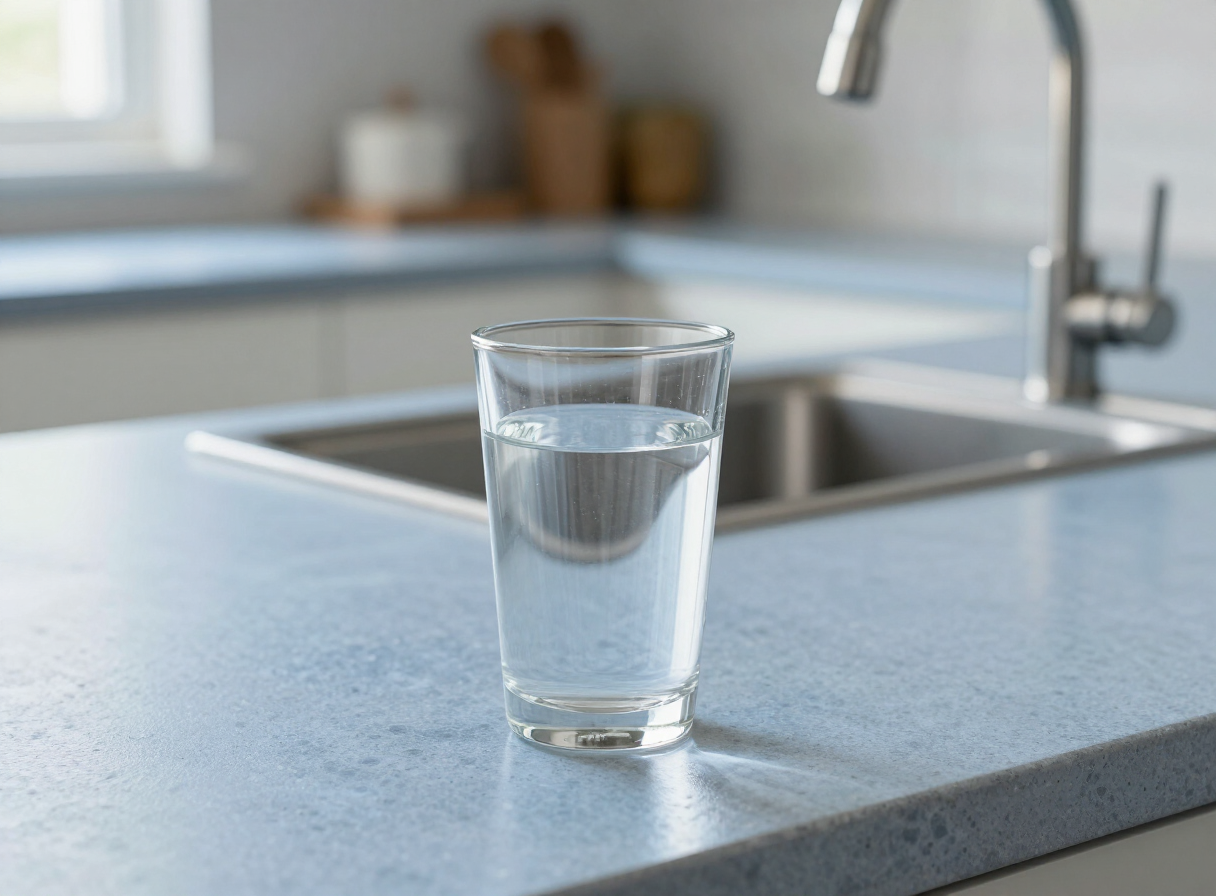
A CLEARER WAY FORWARD
Start with the right questions.
Know your source
Find out whether your home uses a public water supply or a private well.
Look at local information
Read your utility report, well records, or relevant local water guidance.
Make an informed choice
Use appropriate testing and documented product information before choosing a treatment approach.
POSSIBLE CONCERNS / NOT A DIAGNOSIS
Explore water concerns
The following topics are for education. Their inclusion does not mean they are present in your water.
Chlorine
Used in many public systems for disinfection; it can influence taste or odor.
Lead
Can enter water through certain plumbing materials; targeted testing matters.
PFAS
A broad group of chemicals with evolving guidance and testing methods.
Hard Water
Minerals can leave scale on fixtures and affect appliance performance.
Sediment
Visible particles can have several possible sources worth investigating.
Taste & Odor
Changes in flavor or smell are clues, not a substitute for testing.
Microorganisms
Well owners may need to consider microbial testing as part of a routine.
Aging Pipes
Older plumbing may affect water between the utility and your tap.
GOOD TO KNOW
Frequently asked questions
Does a taste or smell identify a contaminant?
No. Sensory changes can have multiple causes and many substances cannot be detected this way.
How can I learn what is in my water?
Review local reports and consult a qualified laboratory about testing suited to your water source and concerns.